
Best Time to Visit Bali: Month-by-Month Weather, Festivals and Crowds
Planning a Bali trip? The best time to visit Bali depends on the kind of experience you want. Sunshine and surf? Dry season is ideal. Greener landscapes and fewer crowds? The wetter months can be deeply rewarding. Cultural immersion? Festival timing matters just as much as the forecast. At Rasa Voya, we believe the best Bali journeys are shaped not only by weather, but by place. The coast, valleys and highlands all move to different rhythms, and understanding Bali month by month helps you travel more thoughtfully.
Quick answer: When is the best time to visit Bali?
If you want the simplest answer, here it is:
Best overall months: May (see our next tour here), June and September
Best weather: May to October (see our next tour here)
Best for fewer crowds: April, May, September and October
Wettest period: usually December to February
Best for culture: around Nyepi, Galungan, and Kuningan
Best for diving and snorkelling: May to September
Best for value: February, March, April and November, outside peak holiday periods
For most first-time visitors, May, June and September offer the best mix of sunshine, manageable crowds and a more relaxed pace.

Rice terrace hikes in Sideman with Mt Agung watching over
Bali weather: two seasons, but more nuanced than you think
Bali's climate is often simplified into two seasons:
Dry season: roughly May to October
Wet season: roughly November to April
That is true, but it does not tell the whole story. Bali's weather is shaped by altitude as much as season. Coastal areas stay warm and humid year-round, while upland regions such as Ubud, Bedugul and Kintamani are cooler, especially in the mornings and evenings.
This means you can spend the afternoon in tropical beach heat and need a light jacket the next morning for a sunrise outing in the hills.
Bali microclimates: why location matters
One of Bali's most underrated qualities is its variety. Within a relatively short drive, the conditions can shift noticeably.
Coastal Bali
Places such as Seminyak, Canggu, Sanur, Nusa Dua and Amed are typically warm, humid and beach-oriented. This is the Bali that many travellers picture first.
Ubud and the central valleys
Ubud is often a touch cooler than the coast and usually feels greener, softer and more lush, especially in or just after the wet season.
Bedugul and Kintamani
These upland areas can feel distinctly cooler, particularly at dawn and after dark. If your plans include Mount Batur, Bedugul or temple visits in the hills, pack a layer.
Packing tip: even in the dry season, Bali is not a one-temperature-fits-all destination. Bring light clothing for the coast, plus at least one extra layer for the highlands.
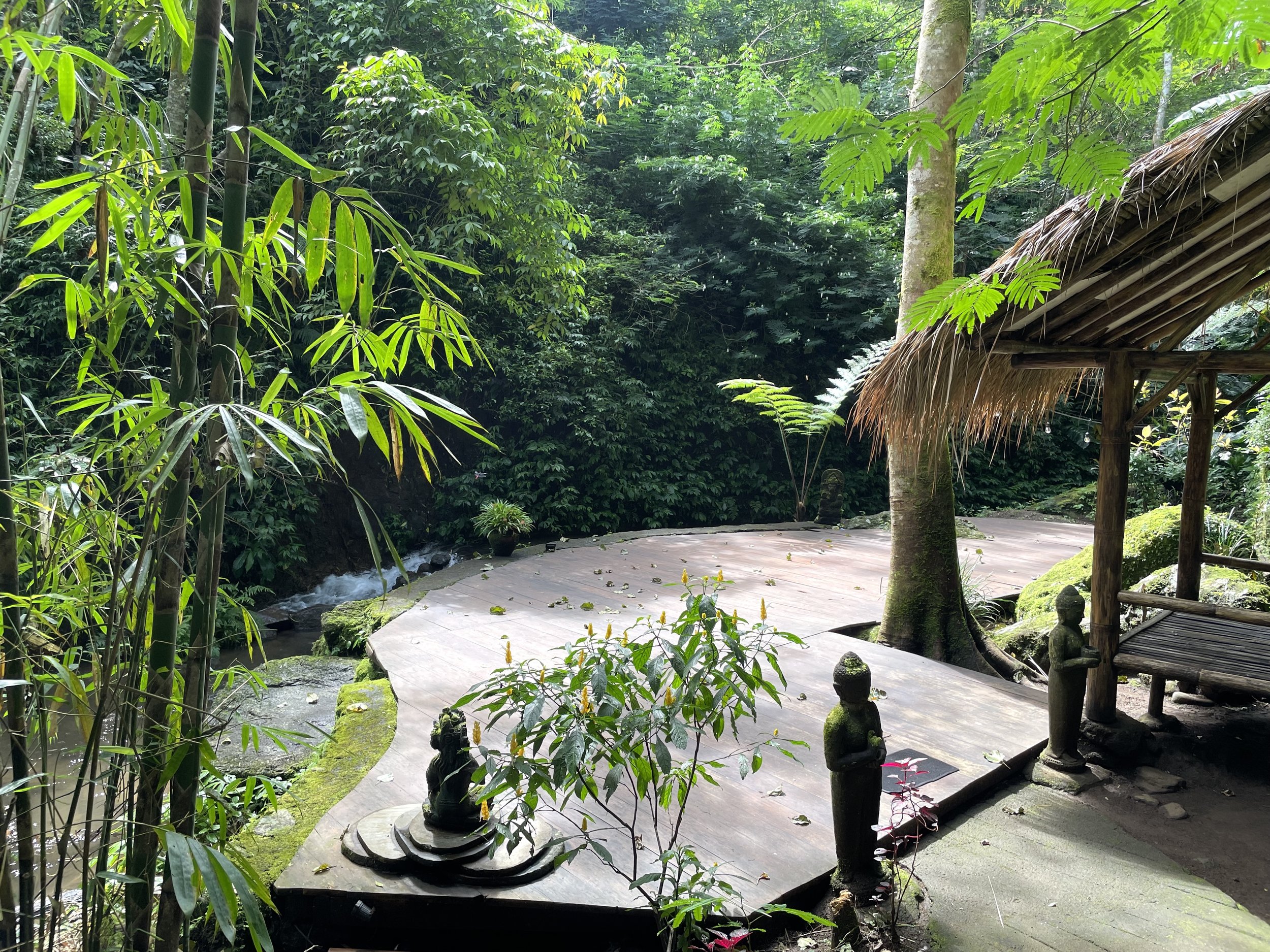
Munduk river walk with yoga shala
Bali month by month
January in Bali
January sits firmly in the wet season. Expect humidity, tropical showers and dramatic skies, with sunny breaks in between. It's not usually a case of endless all-day rain, but you should plan for weather interruptions.
This can still be a beautiful time to visit. Rice paddies are lush, the island feels vividly green, and there can be better value once the New Year rush fades.
Best for: greenery, quieter stays after New Year, spa time, slower travel
Good to know: humidity is high, and beach conditions can be mixed in some areas
February in Bali
February remains warm, humid and rainy, although often in bursts rather than a constant washout. Travellers willing to be flexible can still have a great trip, especially if they balance sightseeing with long lunches, wellness and villas with a view.
Chinese New Year sometimes falls in February, depending on the year, bringing celebrations in some communities and visitor areas.
Best for: lower-key travel, value, green landscapes
Good to know: keep plans flexible and don't build your whole itinerary around perfect beach weather
March in Bali
March is often a transition month. Rain may still be significant, but the island is beginning to edge towards drier conditions.
This is also one of Bali's most powerful cultural periods if Nyepi falls in March. Nyepi, the Balinese Day of Silence, marks the Saka New Year and transforms the island for 24 extraordinary hours. The airport closes, the roads are empty, the lights are dimmed, and daily life pauses. On the eve of Nyepi, villages come alive with energy as giant Ogoh Ogoh effigies are carried through the streets.
If your trip falls on Nyepi, Bali offers not just a holiday but a rare cultural experience.
Best for: culture, photography, shoulder-season travel
Good to know: Nyepi affects movement across the whole island, so dates matter

Balinese Ogah Ogahs at the museum in Mengwi
April in Bali
April is one of Bali's most underrated months. The landscape is still lush from the wet season, but the weather is usually becoming more reliable. Humidity begins to ease, and the island has not yet hit peak mid-year traffic.
For many travellers, April delivers an ideal blend of beauty, value and breathing room.
Best for: shoulder-season travel, green scenery, better balance of weather and crowds
Good to know: this is an excellent month for travellers who want a little of everything
May in Bali
May is one of the best months to visit Bali. Dry season is settling in, skies are clearer, humidity is more comfortable, and the island feels open for adventure.
This is a superb month for a first trip, and one we would happily recommend to almost anyone. Coastal days are glorious, central Bali is fresh and green, and outdoor experiences become easier to plan with confidence.
Best for: first-time visitors, touring, diving, snorkelling, outdoor dining, as well as the delicious Ubud Food Festival.
Good to know: one of the strongest all-round months on the calendar
June in Bali
June brings classic Bali dry-season conditions: sunny days, lower rainfall and a lively but not yet frantic atmosphere. Visitor numbers start to climb, but it is usually still more manageable than in July and August.
This is an excellent month for travellers who want reliable weather without quite hitting the peak-season crush.
Best for: balanced travel, sunshine, beach time, active itineraries
Good to know: popular areas get busier, so book good accommodation early
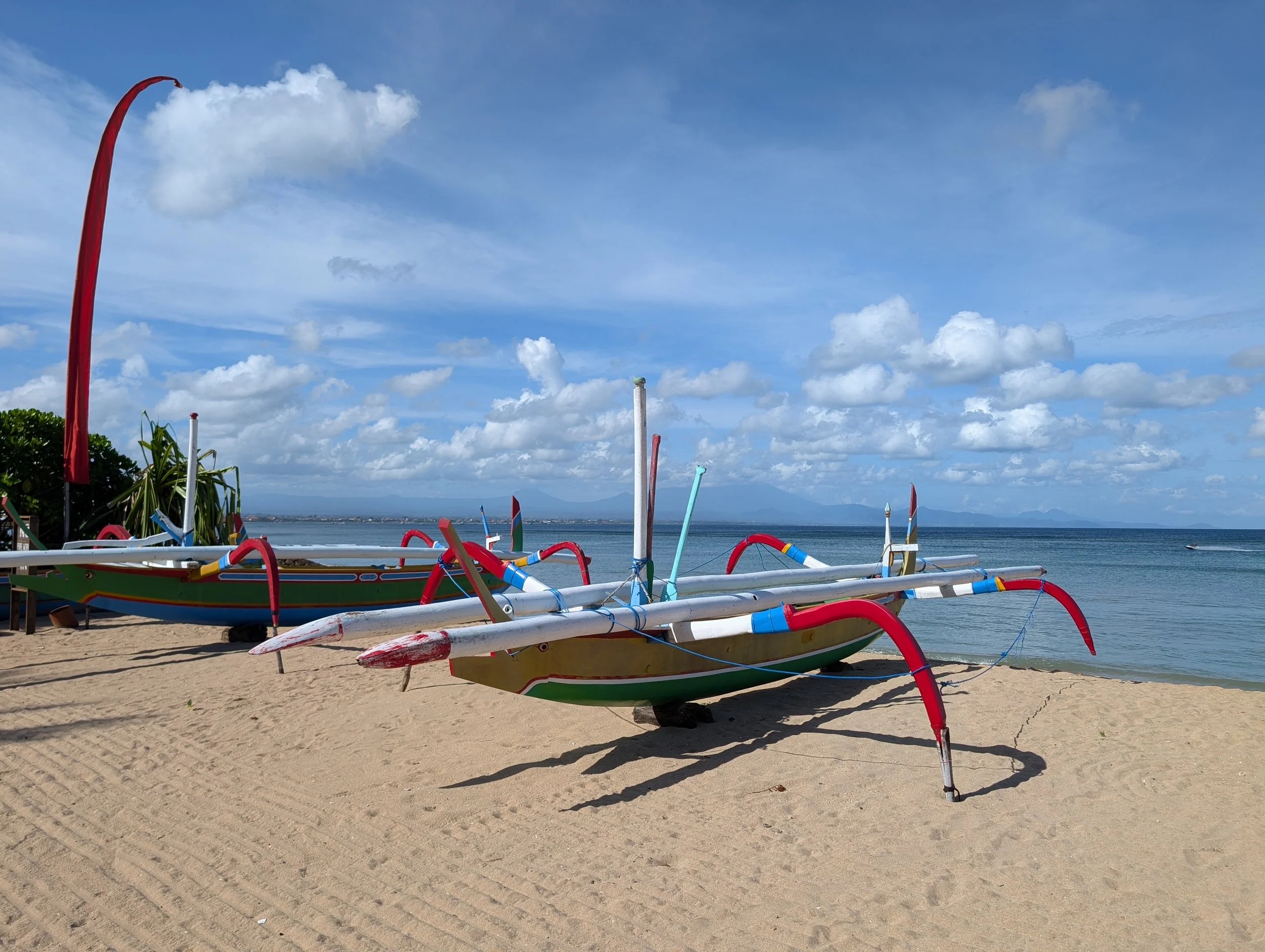
Fishing boats on the beach at Sanur
July in Bali
July is one of Bali's best weather months and one of its busiest. Days are generally sunny and pleasant, with minimal rainfall and ideal conditions for everything from beach clubs to temple visits to long scenic drives.
It is also high season, so the most popular areas can feel crowded, and prices rise accordingly.
Best for: reliable sunshine, outdoor activities, cultural events
Good to know: book well ahead if you want standout hotels or villas
August in Bali
August often brings peak dry-season weather and peak visitor numbers. Visibility for diving and snorkelling can be excellent, surf conditions are strong on the right coasts, and the island is full of energy.
Indonesian Independence Day on 17 August adds colour and atmosphere, while windy conditions make this a classic period for Bali's kite season.
Best for: diving, snorkelling, surfing, high-energy travel
Good to know: this is one of the busiest months of the year
September in Bali
September is a favourite for many seasoned Bali travellers. The weather remains very good, but the school-holiday peak has eased. That means more space, often better rates and a calmer feel in places that can be intense in August.
If you want one of Bali's smartest-value months, September is hard to beat.
Best for: sunshine with fewer crowds, couples, and thoughtful itineraries
Good to know: one of the best all-round months on the island
October in Bali
October still offers plenty of warm, sunny days, but the island is beginning to tilt back towards the wet season. It is still a good month to travel, especially earlier in the month, and can suit travellers who want shoulder-season conditions with a cultural edge.
The Ubud Writers & Readers Festivalis usually held in October and is one of the region's most respected cultural events.
Best for: culture, shoulder season, quieter luxury stays
Good to know: showers become more likely as the month progresses
November in Bali
November usually marks the return of wetter conditions. Humidity lifts, rain becomes more frequent, and the island starts to feel more tropical again. Yet there are still bright days, and the atmosphere can be deeply atmospheric and beautiful.
Galungan and Kuningan, two of Bali's most important spiritual celebrations, sometimes fall around this period depending on the Balinese calendar. If your visit coincides with them, you will see Bali at its most ceremonial and visually striking, with penjor lining the streets and temple life in full expression.
Best for: culture, greenery, slower luxury, travellers unfazed by humidity
Good to know: rain is more common, but not every day is lost to it
December in Bali
December is lush, humid and festive. Rain is a real factor, but so is the holiday energy. From mid-December onwards, Bali fills with Christmas and New Year travellers, and demand rises quickly.
If you are visiting over the festive period, book early and expect a more social, celebratory version of the island.
Best for: festive escapes, celebratory travel, tropical holiday atmosphere
Good to know: prices climb, and availability tightens over Christmas and New Year
Best time to visit Bali by travel style
Best time for first-time visitors
May, June and September are the standout months. They offer a pleasing mix of sunshine, lower rainfall and easier logistics.
Best time for culture lovers
Travel around Nyepi, Galungan, or Kuningan if you want a deeper connection to Bali's ceremonial life.
Best time for beach holidays
The dry season, especially June to September, is best for beach days and more dependable coastal weather.
Best time for diving and snorkelling
May to September is generally excellent, especially in areas such as Amed and the east coast.
Best time for fewer crowds
April, May, September and October are often the cleverest choices.
Best time for value
Outside Christmas, New Year and peak winter school holiday periods, February, March, April and November can offer strong value for travellers who don't mind some rain.
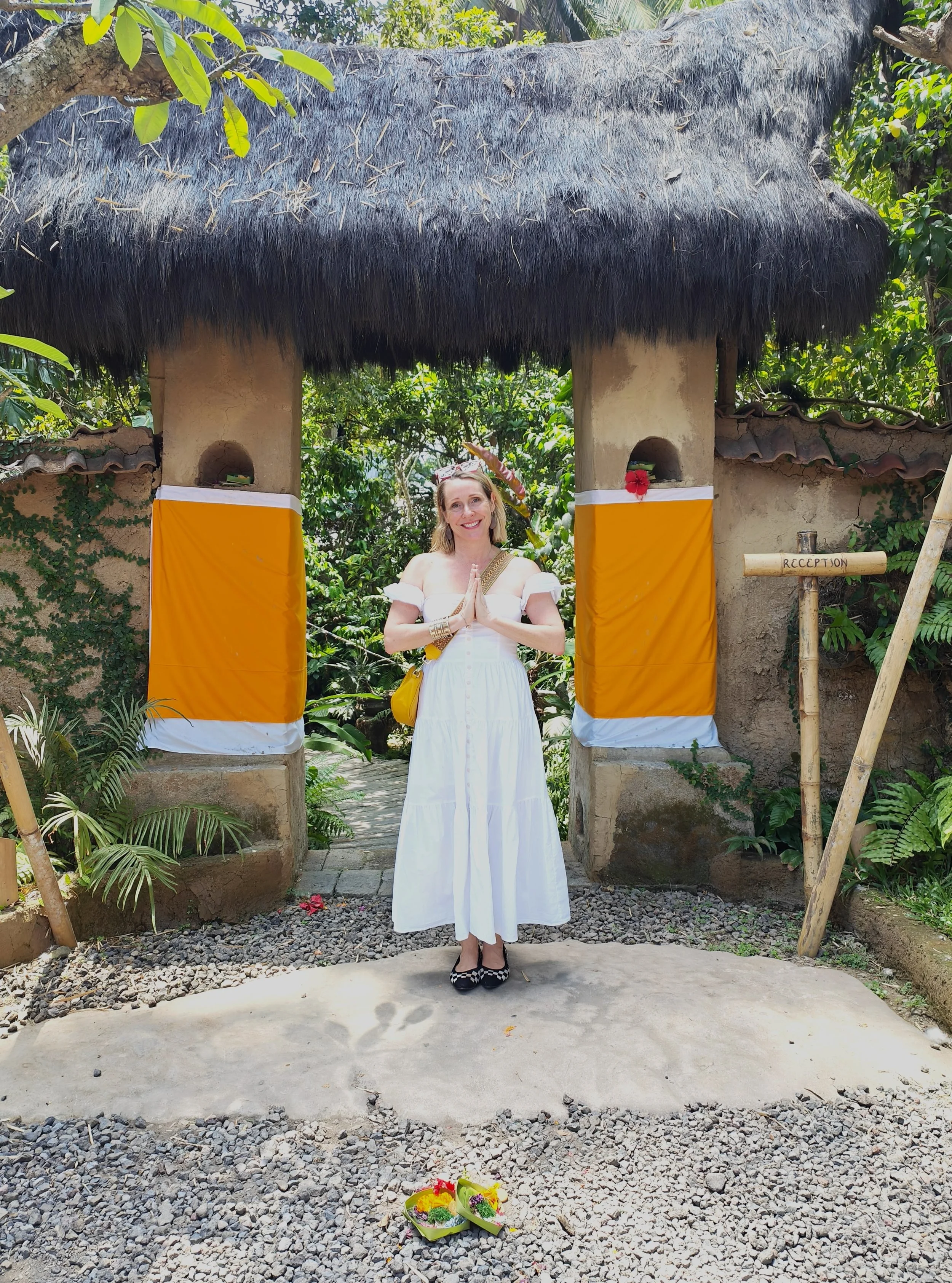
Entrance to Bambu Indah, Ubud
So, when should you go to Bali?
There is no single perfect month for everyone, but there are definitely smarter choices depending on your priorities.
For the most reliable weather, target May to October.
If you want the best mix of weather and breathing room, choose May, June, or September.
If you want lush landscapes and lower-season value, the wetter months can still be deeply rewarding.
If you want cultural immersion, let the Balinese calendar help shape your dates.
The real answer is this: the best time to visit Bali is when your trip matches the Bali you actually want to experience.
At Rasa Voya, we design Bali journeys around season, mood, place, and purpose. Not just around a weather chart.
