
Sumba, Indonesia: A Slow Road Trip Through One of Travel’s Last Frontiers
Ten days across East and West Sumba. For travellers who prefer savannahs, villages and roadtrips over spa menus and sunset bars.
By Rasa Voya | Updated 2026
Sumba is the kind of island that changes people. It does not woo you gently, as Bali does, with spa menus and sunset cocktails. Sumba grabs your attention with bone-white megalithic tombs, ikat weavings that can take a year or more to make, horses galloping across dry savannah, and lagoons so intensely blue they hardly look real. For years, most travel stories about Sumba have focused almost entirely on a handful of extraordinary luxury resorts on the western coast. That focus is understandable, but it hides most of what makes this island so interesting.
This guide is for travellers who want the whole story: when to come, how long to stay, the difference between east and west, how to see Weekuri Lagoon and Pasola, and why a road trip with a local guide changes everything.
Where is Sumba, and how big is it?
Sumba is located in eastern Indonesia, in the Lesser Sunda Islands. On the map, you will find it southwest of Flores and northwest of Timor, inside the province of East Nusa Tenggara. It lies outside the equatorial rainforest belt, so it feels very different from the lush image many people have of Indonesia. Instead of volcanic peaks and dense jungle, you see limestone hills, long views and dry savannah for much of the year.
In practical terms, here is what most travellers need to know. Sumba is about 11,000 square kilometres, roughly twice the size of Bali. Bali attracts millions of visitors each year; Sumba receives only a tiny fraction of that number, with a population of under one million spread across a large island. The result is a place where distance, minimal infrastructure, and low visitor numbers all shape how you travel, and where planning matters more than it does in most other Indonesian destinations.
Sumba’s unique savannah
How long should you spend on Sumba?
This is the question we are asked most often at Rasa Voya, and the answer depends on how you like to travel.
If you have five days, it is wiser to choose one side of the island and do it properly rather than trying to cross from coast to coast. Fly into Waingapu in the east if you are drawn to big skies, savannah landscapes, traditional villages with tall ancestral houses and tombs, and serious ikat weaving. Fly into Tambolaka Airport in the west if you care more about dramatic beaches, surf, emerald lagoons and clifftop views, and if you like the idea of splitting your time between local life and very comfortable resorts.
Trying to cover both sides in under five or six days usually means long, rushed days in the car and a quick stop at each “highlight”. Sumba does not give up its personality that way. Many independent travellers manage a five to seven-day trip, which is enough for a first taste of one half of the island. If you want to cross the island, visit villages at a natural pace and still have time to swim, walk and rest, ten days is the sweet spot.
That is exactly why our small-group premium itineraries for Sumba run for ten days. That length allows us to move slowly across the island, spend meaningful time in villages, increase the chance of witnessing a ceremony, explore markets and lagoons, and still leave room for unscripted moments. Sumba is not an island that reveals itself on day one. The most memorable experiences tend to occur on long drives, during shared meals, and in quiet conversations with weavers, horsemen, and village elders. If you can stretch to two weeks, better still.
East vs West Sumba: understanding the divide
People often talk about Sumba as if it were two different destinations, and in many ways that is accurate. The characteristics of the east and west shape the kind of trip you will have.
East Sumba (Sumba Timur): savannah, ikat and deep tradition
The east is hotter, drier and more sparsely populated. Here you find ochre grasslands, lontar palms, rivers that shrink in the dry season, and villages clustered around megalithic tombs that have been in use for generations. Waingapu, the main town, is a working port rather than a polished tourist hub, which is part of its appeal.
East Sumba is the heartland of ikat weaving. The cloth from this side of the island is dyed and woven by hand and can take many months, or even a year, to complete, depending on the piece's complexity and scale. For anyone who cares about textiles or slow craft, visiting weaving communities such as Prailiu, Rende, and Kaliuda is worth the journey in itself. You are not just watching a demonstration; you are stepping into living workshops where knowledge passes down through families.
Highlights in the east and central part of the island include:
Weaving villages around Waingapu, including Prailiu and Rende
Prailiu’s stone clan tombs, set among tall traditional houses
The open savannah country around Melolo and Rende
Walakiri Beach, with its mangrove silhouettes at sunset, is an easy late-afternoon outing from Waingapu
Pasola sites, where ritual horseback battles take place once a year between February and March, according to the Marapu ritual calendar
West and Southwest Sumba: resorts, beaches and surf
The western side of Sumba has become one of Indonesia’s most talked-about luxury coastlines. A small cluster of high-end properties, including Nihi Sumba, Lelewatu Resort and Cap Karoso, has put this region on the radar of travellers who normally split their time between destinations such as Bali and the Maldives. The difference here is that just beyond the boundaries of those properties, daily life continues in a way that feels very rooted in place.
The beaches are long, wild and often empty. The surf near Nihi Sumba is tightly managed to preserve the experience, and strong swells can pound parts of this coast, especially during peak surf season. West and Southwest Sumba also offer some of the island’s most striking viewpoints, including the natural arch and wide bay at Bawana Beach and the cliffs and sea stacks around Watu Maladong.
Weekuri Lagoon, in the southwest, is often visited from this side. It is a saltwater pool separated from the open ocean by a narrow limestone ridge, with clear, deep blue and green water that changes with the light. It is one of those places that look even better in person than in photographs.
The interior west is home to traditional villages with tall, peaked ancestral houses and an active ceremonial life. Villages such as Ratenggaro, Tarung and PraiIjing are often included on itineraries and really reward unhurried visits with a good guide on your side. From this side of the island, it also makes sense to strike inland towards central Sumba's waterfalls, including Lapopu and Matayangu, which you reach via rougher roads and simple forest paths.
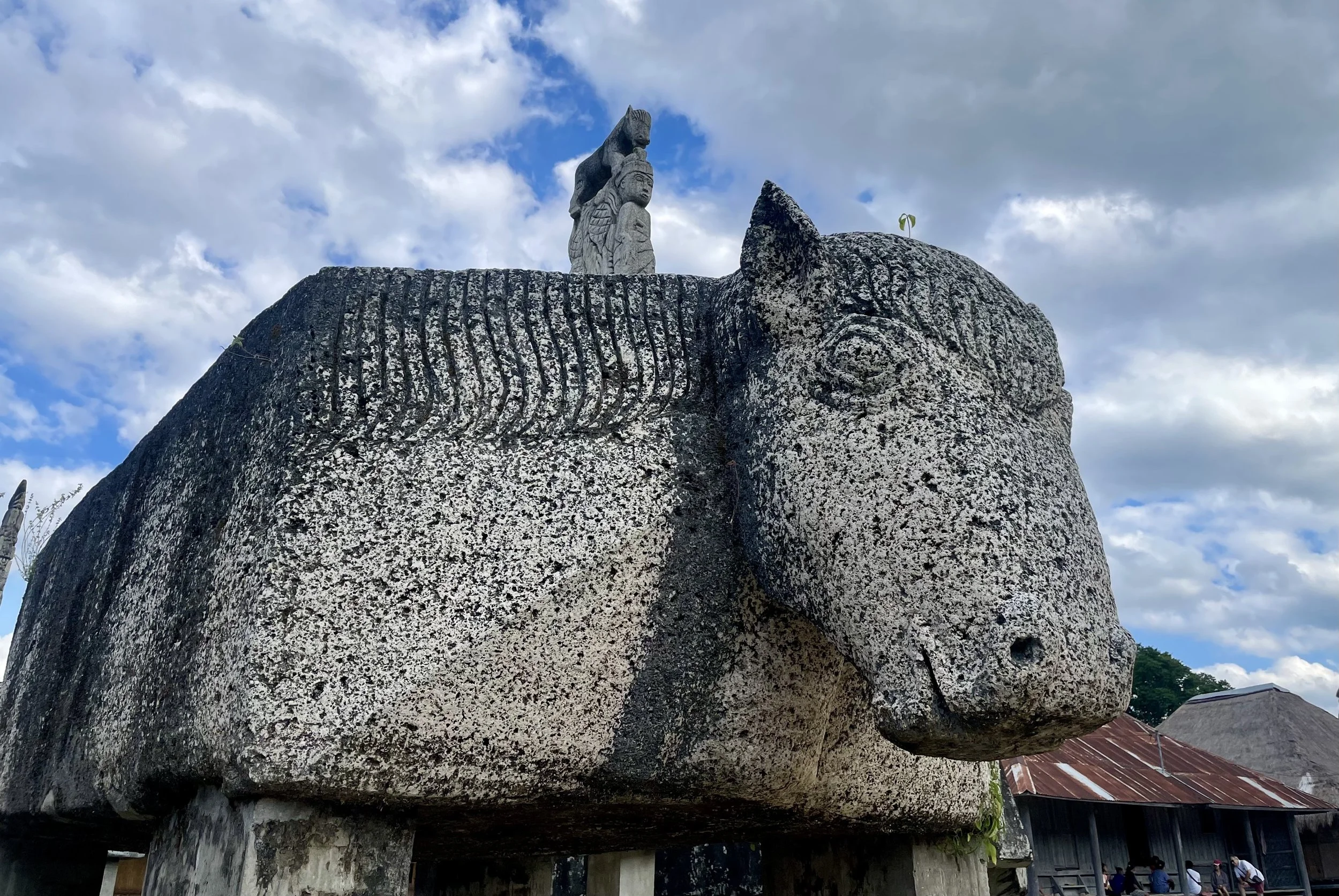
Tomb megalith in Rende village
The most important advice: experience Sumba as a road trip with a local guide
Most mainstream articles about Sumba focus on a resort stay: an infinity pool, a private beach dinner, a massage and maybe a curated village visit. All of that can be lovely, but it is only one layer of what the island offers. If you never leave the resort bubble, you will see a careful version of Sumba rather than the everyday reality.
The richest way to experience Sumba is by road. That means long drives that shift from dry grasslands to higher, greener ridges, stops in weaving villages and traditional kampungs, pulling over while water buffaloes cross the road, and simple meals in market-town warungs. The journey between Waingapu and Waikabubak is one of the best drives in Indonesia for travellers who enjoy watching a landscape slowly change out the car window.
For this style of trip, a local guide and driver are not a luxury; they are the key that unlocks the island. Here is why:
Navigation: Some of the most rewarding villages and viewpoints do not appear clearly on any maps, and local road knowledge matters when recent rain or construction has changed the situation.
Culture: Traditional villages follow local custom (adat). There are expectations about asking permission, appropriate small offerings, how to behave around tombs and ceremonial houses and when not to enter at all. A guide will read that context for you and help you arrive in a way that feels respectful rather than intrusive.
Language: Outside resort areas and Waingapu, you cannot rely on English. Bahasa Indonesia can get you part of the way, but in villages, local Sumbanese languages are often used. A guide who speaks both will open conversations and experiences you would not otherwise have.
Logistics: Tourism is still developing. A guide who knows current road conditions, fuel availability, local events and accommodation standards will save you time, stress and occasional dead ends.
How to get around Sumba
Realistically, there are three options.
The first and best option for most visitors is a private car with a driver. Distances are long, some roads are rough, and fuel is not always available outside the main towns. Travelling with someone who knows where to fill up, where to stop and where not to drive after heavy rain changes the whole experience.
Experienced motorbike riders sometimes choose to explore on two wheels. The combination of heat, loose gravel, deep potholes, and frequent animals on the road makes this only sensible if you are very comfortable on a bike. It can be a wonderful adventure, but it also carries greater risk in places where medical facilities are basic.
Public transport is provided by shared minibuses and trucks between some towns, however routes and timetables are irregular. They rarely take you to waterfalls, beaches or villages that are high on most visitors’ lists, and are best thought of as local infrastructure rather than a tourist-friendly network.
A practical note on roads, fuel and the reality of travel
The main trans-island road between Waingapu and Waikabubak is sealed and maintained. A regular car can handle it without difficulty, and the biggest surprise for most travellers is simply how long the drives feel because of the curves, slower pace and frequent photo stops.
Once you turn off the main road, the story changes. Small roads and dirt tracks that lead to remote beaches, waterfalls and villages can shift from smooth to rough very quickly. Potholes may be deep and wide, ruts can catch low-clearance vehicles, and after rain, some tracks become muddy and difficult. For this reason, a higher-clearance vehicle, ideally with four-wheel drive, is strongly recommended if you plan to explore beyond the most accessible stops.
Fuel is another factor. Proper petrol stations are found in Waingapu, Waikabubak and a few other larger settlements. Outside those areas, fuel may be sold in bottles or jerrycans at roadside stalls, and supply is not always consistent. The basic rule is simple: fill your tank in town, and if you are heading out on a long day trip with many side roads, carry spare fuel or travel with a driver who has planned for it. When you are prepared, these details become part of the adventure, not a source of stress.
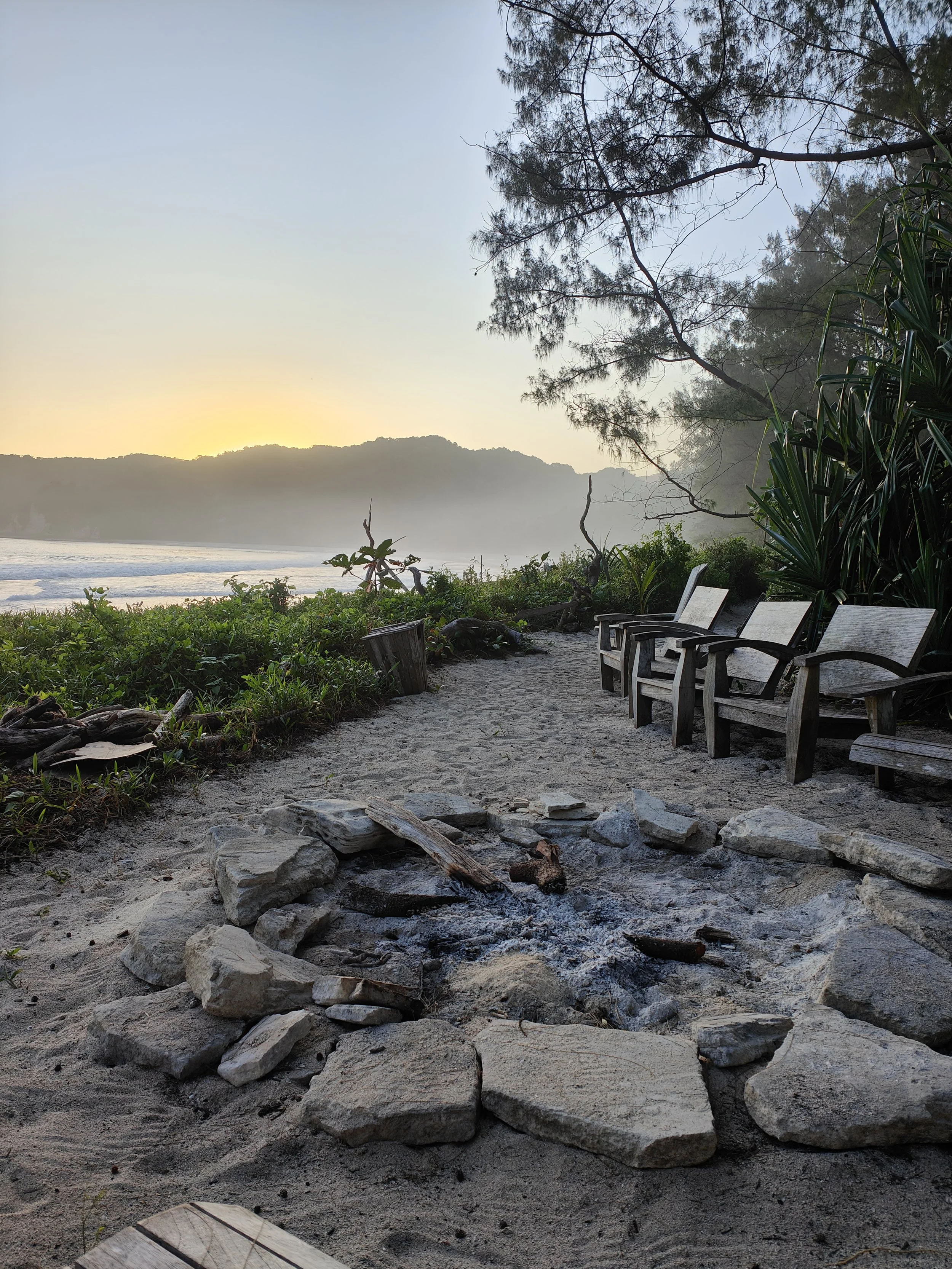
Camp Tarimbang Sumba
Weekuri Lagoon and when to visit
Weekuri Lagoon lies in Southwest Sumba and is one of the island’s most photographed natural spots. It is a saltwater pool tucked behind a narrow limestone barrier, with water that ranges from bright turquoise to deep green depending on light and tide. The rock ledges, clear water and views out to the open ocean combine to make it a place that feels special even if you have seen many images before you arrive.
Swimming conditions are usually best from May to October, during the dry season. During these months, the water in the lagoon is calmer and clearer, and the surrounding tracks and roads are generally easier to handle. From November to April, heavier rain and stronger ocean swells can change the character of the lagoon and the clarity of the water.
In general, May to October is a good window for most Sumba trips. You can expect drier skies, more predictable roads and that classic golden tone in the eastern savannahs. If your priority is to see the Pasola festival, aim for February or March. In that case, you trade some comfort in road conditions and weather for the chance to witness one of Indonesia’s most intense ritual events. Dates are set locally according to the Marapu calendar and confirmed relatively close to the time, so flexibility and local contacts are important.
Sumba’s cultural riches: what sets this island apart
One of the things that makes Sumba so compelling is that an animist belief system known as Marapu still shapes daily life for many people. You feel this in the layout of villages, the design of houses, the timing of ceremonies and the meaning carried in textiles and carvings.
The megalithic tombs that define many village skylines are not static relics. They continue to receive burials and remain central to family and community life. Standing beside one of these stone structures, with carved figures watching over the space and freshly woven cloth draped across the surface, you are not in a museum. You are in the middle of a living practice in which the dead and the living share the same ground.
Across the island, you will find villages such as Ratenggaro, Tarung, PraiIjing, Anakalang and Pau, each with its own history and ceremonial rhythm. Visiting with a good local guide means hearing the stories behind the architecture and objects, and also arriving at times and in ways that suit the community.
How to visit respectfully
A few simple habits go a long way in Sumba’s villages. Dress modestly, with shoulders and knees covered, and keep beachwear for the beach, not the kampung. Always ask before photographing people or private tombs, and avoid sitting or standing on the tombs themselves. These are active burial places and carry deep meaning.
If you choose to buy textiles, try to buy directly from weavers. High-quality pieces can be expensive, as they should be, given the time and skill involved. It is fine to negotiate, but do so in a way that recognises the value of the work rather than treating it as a souvenir bargain hunt.
Sumba compared to Bali, Lombok and Flores
If you know other Indonesian islands, it helps to place Sumba in context.
Bali is busy, convenient and full of choices. It is ideal for first-time visitors to Indonesia, food lovers, spa-goers and anyone who wants a wide range of stays, from humble homestays to high-end villas, all within a fairly small area.
Lombok feels calmer than Bali and is known for its beaches, the Gilis and the trek up Mount Rinjani. Infrastructure is improving steadily, and it is a natural next step for travellers who want something a little quieter than Bali but still well-equipped.
Flores offers volcanic landscapes, rustic coastal towns and access to Komodo National Park. It is a favourite with divers and hikers who do not mind long boat rides and scenic drives to get from place to place.
Sumba is different again. Visitor numbers are low, roads can be rough, and traditional culture feels more prominent than in many other parts of Indonesia. It suits travellers who enjoy long road trips, are comfortable with a degree of unpredictability, and value genuine cultural encounters as much as beautiful beaches.
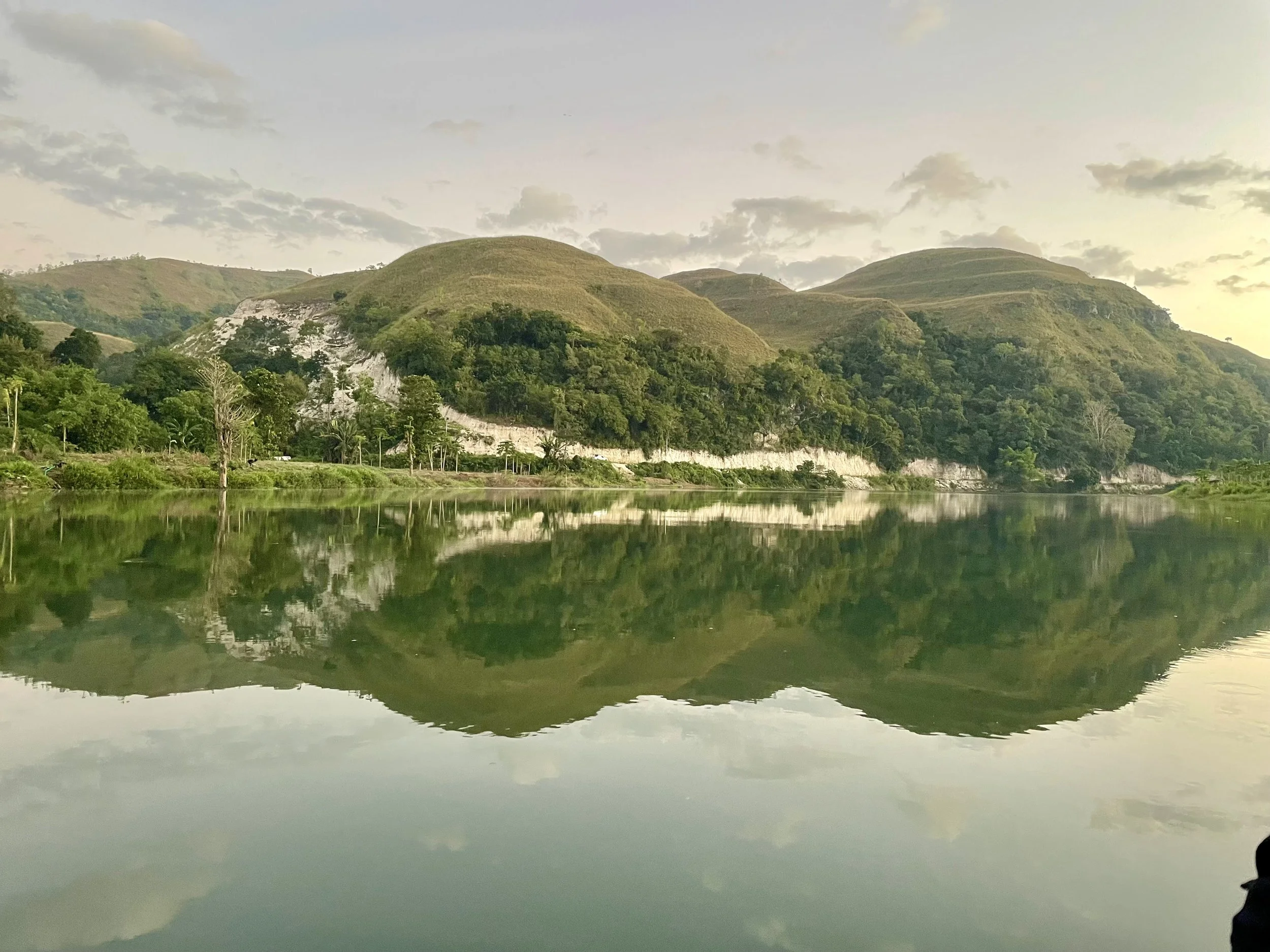
Kambaniru River
Practical essentials: money, health and connectivity
The local currency is the Indonesian Rupiah. ATMs are found in Waingapu, Waikabubak and a few other larger towns, but you should not rely on cards once you are on the road. Bring cash for markets, small homestays, roadside snacks and village contributions.
Medical facilities on Sumba are basic. For anything serious, evacuation to a larger centre such as Bali may be necessary. Before you travel, take out comprehensive insurance that includes medical evacuation, and bring any prescription medication you need, as well as a small first aid kit.
Mobile coverage is best around main towns and some resort areas. Once you are out in the countryside, coverage can vanish completely. Treat this as part of the experience and plan for offline navigation and communication where necessary. In the dry season, the sun is strong, and the air can feel very dry. A hat, sunscreen and plenty of water are not optional extras.
Sumba, Indonesia: key facts at a glance
Location: East Nusa Tenggara, Indonesia
Size: About 11,000 square kilometres, roughly twice the size of Bali
Population: Around 850,000
Main airports: Umbu Mehang Kunda Airport (Waingapu, East Sumba - WGP) and Tambolaka Airport (Tambolaka, West/Southwest Sumba - TMC)
Best time to visit: May to October for drier weather and clearer roads; February to March if you are targeting Pasola and can accept wetter conditions
Recommended duration: Ten days to experience both east and west at a comfortable pace; five to six days minimum if you focus on one side
Getting there: Flights from Bali (Denpasar - DPS) to both Waingapu and Tambolaka, plus connections via hubs such as Kupang and Labuan Bajo
Languages: Bahasa Indonesia and local Sumbanese languages; limited English outside main tourism hubs
Frequently asked questions about Sumba
Is Sumba safe for travellers?
In general, yes. Violent crime against visitors is rare, and most people experience the island as calm and welcoming. As always, basic common sense applies: look after your belongings, avoid walking alone at night in unfamiliar areas and respect local customs. Travelling with a trusted local guide reduces small day-to-day hassles and helps you interpret situations quickly.
Is Sumba suitable for families?
Sumba can be a great destination for families with older children and teenagers who are curious about culture and comfortable with long drives. Horses on the beach, wide-open spaces, waterfalls, and village visits can be very engaging at that age. Very young children may struggle with car time, heat, and limited kid-friendly facilities, so parents should weigh their family’s travel style.
Do I need a guide?
You are not required by law to have a guide, but the difference in experience is huge. A guide helps with language, logistics, etiquette and safety, and often becomes the bridge between you and the people you meet along the way. If you aim to move beyond the main town and a single resort, a local guide is strongly recommended.
How does Sumba compare to Lombok or Flores?
Sumba is less developed for tourism than either Lombok or Flores, with fewer restaurants, a smaller range of accommodation and more challenging roads. In exchange, you gain a sense of space, a strong local identity, and a feeling of stepping into a place that has not been shaped to the same degree by visitor expectations.
What is Sumba best known for?
Sumba is known for its megalithic tombs, Marapu belief system, ikat textiles, the Pasola festival, wild horses on the beach, luxury eco-resorts, Weekuri Lagoon and long, uncrowded coastlines. People also call it one of Indonesia’s last great travel frontiers, especially for those willing to trade a little comfort for a lot of depth.
Rasa Voya’s approach to Sumba
At Rasa Voya, our small-group premium tours are built around the kind of road trip described in this guide. Our ten-day Sumba itinerary crosses the island, combining the cultural depth of the east with the natural drama of the west, and is led by local guides and drivers who know the roads, languages and customs from the inside.
We choose accommodation that reflects the character of each region, from simple, well-run guesthouses in smaller towns to standout stays on the coast. We also keep enough flexibility in the schedule to follow interesting leads, stay longer when something special is happening and give the island time to unfold at its own pace.
We believe Sumba’s greatest gift is not a single resort, beach or viewpoint. It is the feeling that builds over days on the road: the accumulation of conversations, quiet moments and shared meals. Ten days is the minimum we feel comfortable putting our name to. In our experience, it is also just enough to make most guests want to return.
If you would like to explore Sumba with us, our current ten-day itinerary is designed to reveal both sides of this remarkable island in depth, with expert local guides, hand-picked accommodation and access that is difficult to achieve when you travel alone.
